Narrative (tagged articles)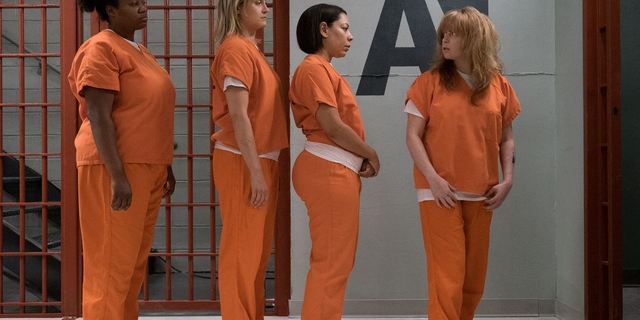 "Lesbianing together:" Images of Incarcerated Women in Orange is the New BlackAnna Curtis - Using content analysis, this article focuses on the portrayal of female prisoners in the first two seasons of the Netflix show Orange is the New Black (OITNB). There are two main findings. First, the word "lesbian" frequently signals homophobia rather than a self... Keep Reading »
 The Graphic Novel as Argument: Visual Representation Strategy In Kyle Baker's Nat TurnerJacqueline Rodriguez - Traditional slave narratives follow a set of conventions that helped abolitionists recognize them as factual and trustworthy stories. Previously enslaved authors subverted those conventions to take control of their narratives and expose white abolitionists’ selfish... Keep Reading »
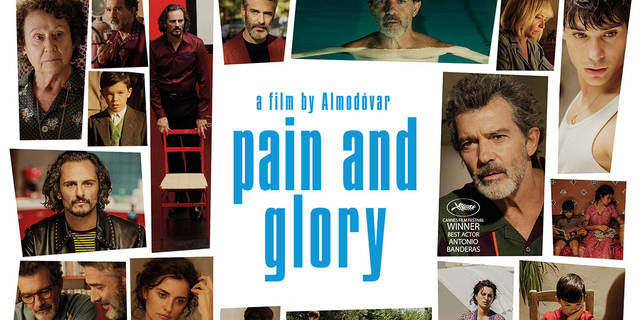 Negotiating the Concept of National Allegory: Homosexuality, Departure, and Homecoming in Pedro Almodóvar's Pain and Glory and Midi Z's Nina WuQingyang Zhou - Often regarded as the glorious palace showcasing contemporary world cinema (“Press Conference”), the Cannes Film Festival epitomizes the roles of an accreditor, an archaeologist, and a political activist. It jumpstarts the careers of emerging auteurs from... Keep Reading »
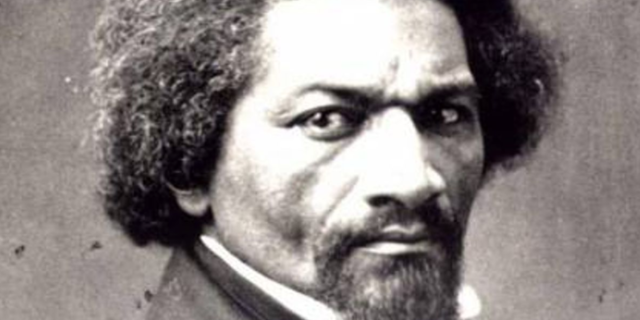 Echoes of W.E.B. Du Bois' Double-Consciousness in the Narrative of the Life of Frederick DouglassMohammed Ritchane - A close scrutiny through a text-based analysis of Frederick Douglass’ Narrative of the Life Of Frederick Douglass, an American Slave, Written by Himself (1845), would reveal, unquestionably, that this narrative reflects the condition of the African-American as... Keep Reading »
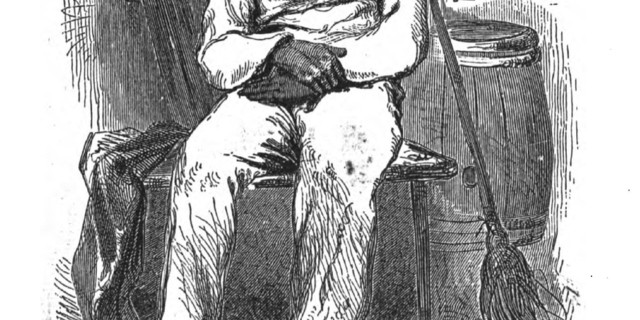 Creating Life Within the Confines of Slavery: Comparing Northrup's Memoir Twelve Years a Slave and Genovese's The World the Slaves MadeHayley E. Tartell - Solomon Northup’s Twelve Years a Slave (1853) provides a comprehensive first-hand account of slavery that both corroborates and challenges Eugene Genovese’s argument in his later analysis of the institution of slavery in The World the Slaves Made (1976).... Keep Reading »
     The keyword Narrative is tagged in the following 16 articles.  Follow IJ


Expedited Article ReviewSubmit an article and get a decision fast. If you need a fast decision, INQUIRIES Journal offers expedited processing of your submission for a small fee. Depending on the expedited review option you choose, you can receive a decision in as few as 5-days. In addition to a shorter review period, the fee supports the journal's continued operation and open-access publishing model. Standard submissions are always free. Submit Now » - Submit an Article to Inquiries Journal -Inquiries Journal provides undergraduate and graduate students around the world a platform for the wide dissemination of academic work over a range of core disciplines. Representing the work of students from hundreds of institutions around the globe, Inquiries Journal's large database of academic articles is completely free. Learn more | Blog | Submit 


|