Featured Article:The White Feather Campaign: A Struggle with Masculinity During World War I
By
2010, Vol. 2 No. 02 | pg. 1/1
IN THIS ARTICLE
KEYWORDS
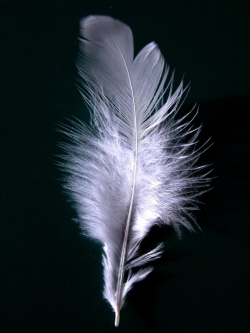
The White Feather Campaign began with the creation of the white feather as a symbol of cowardice and unfulfilled civic duty. With the war effort and the recruitment campaign in full swing, the women of the White Feather would present any healthy young Englishman in civilian dress with this token, in order to symbolize their scorn for him and his failure to be man. Upon receipt of a white feather, these men were being told that they weren’t “real men” and that the women around them looked upon this apparent lack of masculinity with disgust. The campaign was meant to make these men question their gender identity and hopefully drive them to enlist in the military so that they could correct this perceived imbalance. The Campaign worked fairly well and by shaming Home front men, these women drove many into the army out of dread of receiving a white feather themselves. But an unexpected consequence arose from this attack upon Englishmen’s masculinity, one that these “patriotic” women didn’t foresee. As this campaign became more public and recognized, the community backlash against women who engaged in this practice became increasingly harsh. Englishwomen had been molded into a weapon against the masculine identity through propaganda and promises of patriotism.Their efforts were successful but the campaign eventually incited a feeling of outrage among the English population for the terrible shame that they brought upon both deserving and undeserving men. What I seek to argue in this paper is that by choosing to make a judgment of noncombatant men’s identity, these women unintentionally forced a harsh criticism to be made of English women. An attack on one gender identity caused ripples to run through the other, the White Feather campaign did not simply affect masculinity but also brought femininity into the light for condemnation. The recruitment movement of the white feather waged outright war against English masculinity and before it was over, both male and female gender identities changed as a result of this tactic. Constructing Women as a Gendered WeaponThe history of the white feather really began almost a decade before the start of World War I with the publishing of The Four Feathers by A.E.W. Mason. The novel tells the tale of a young British officer, Harry Feversham, who resigns from the British armed forces and attempts to return home from the war in the Sudan. Upon his resignation Feversham receives four white feathers as symbols of cowardice and loss of respect. Three are from former comrades in arms who believe that Feversham is fleeing the army in order to avoid the coming war. The fourth is from his fiancée, Ethne, who is stricken at Harry’s resignation from the armed service. She returns her engagement ring to him to show that she no longer loves him and gives him the fourth feather to express her belief that he is a coward for leaving the war. The rest of novel chronicles Feversham’s attempt to regain his honor and the favor of his love. The only way that he achieves this is by returning to the Sudan where he kills his Arab enemies and saves his unit from destruction. Now with these actions having proven him to be a real man, Ethne promptly takes him back and they are soon happily marriedi. This novel was a popular adventure novel in England at the time of World War I and, because of Feversham’s experiences, the white feather was commonly thought of as a sign of cowardice and shame. Admiral Charles Penrose Fitzgerald was a military man who strongly believed in using conscription yet was forced to run a recruitment effort for an all-volunteer English army. Understanding the power of the symbol that this novel created, Fitzgerald devised a plan that he believed would help drive unenlisted, able-bodied men into the English military. On August 30, 1914 in the city of Folkstone, Admiral Fitzgerald gave thirty women the duty of handing out white feathers to men who were not in uniformii. Fitzgerald looked upon the men who were not out fighting for England as “deaf or indifferent to their country’s need” and that by giving the use of the white feather to women he would show them that they had “a danger awaiting them far more terrible than anything they can meeting battle”iii. This idea quickly took effect and began to sweep across England. Females everywhere would hear stories of women giving out feathers, or read in the newspaper of how these men were shamed for “shirking their duty in not coming forward”iv. Women who handed out white feathers to civilian men became known as members of the White Feather Brigade or the Order of the White Feather. Women were always the lesser gender in England, overshadowed by the dominance of their male counterparts, especially in the political arena. But when Britain joined the war, they were allowed and, in fact, encouraged to participate in the war effort, a chance that they seized with great vigorv. The White Feather movement gained a good amount of popularity with English women because it allowed them to feel as if they were fervent English patriots. The White Feather women began to see themselves as the guardians of the English spirit and that through their recruitment work they would make sure that all men did their duties for the Union Jack. Women were barred from fighting in the war as combatants, they were forced to stay at home and wait while their husbands or relatives were out dying in the trenches. The White Feather Campaign gave them a chance to actively participate in the war effort and see themselves as helping the English army by sending them more soldiers. Furthermore the white feather allowed them to gain power over the men who usually ruled them. This kind of gender power reversal was a chance that women rarely got, much less one that the government endorsed. These women became the harbingers of doom to those civilian men who were attempting to get out of fighting; they were no longer the lesser sex. What Fitzgerald had deftly understood was that there was something that was more terrifying to youthful Englishmen than a gruesome death on some foreign battlefield. The campaign showed a great knowledge of how masculinity functioned and the white feather played directly into this gender structure. The most devastating blow that could be dealt to an English youth was the sudden recognition of a woman’s shame and disapproval. War and masculinity have long been associated with each other, and many consider being a fighting man to be the most potent and impressive show of masculinity. Over the twentieth century and into the new millennium this conception has been largely disproved, no longer does one need to be a military man in order to uphold their masculinity. But the old understanding of battle as a place of honor or an event where boys become men was still upheld in England. World War I was the point in which this concept was beginning to be questioned. It was just becoming understood that machine-gunning each other from opposing trenches was far from a dashing duel between two swordsmen, and yet these youths had still been raised to believe that fighting (and if necessary dying) for their country was the epitome of manhood. It was because of this shifting ideology that England gradually had to change between voluntarism and conscriptionist status during World War I. They were optimistic at the onset of the war that their men would rise to the challenge and provide enough manpower to push the war effort through to the end. The English leaders thought it would be a short war and that volunteers would swell their ranks sufficientlyvi. Even when it became apparent that this war was going to be a long and costly battle, the government held back from conscription. Most democratic governments do not wish to implement a draft that will legally make male citizens of their country pick up arms and march out to their deaths (especially because of political repercussions). It is the hope of every country that nationalism and patriotic fervor will fill their ranks with willing men who believe in the cause. Unfortunately this can’t always be the case, especially in such large-scale wars. The days where hoards of men would rush off to war to be heroes were gone. Many men felt comfortable with their manhood and no longer felt the need to prove it on the battlefield with their own blood and amidst so much death. This new ideology of masculinity and civic duty wasn’t enough to satisfy Britain’s needs. In 1917 and 1918 Britain began to move towards conscription as it became clear that these able-bodied men would have to be forced into the armed forces. This is not an argument over whether a draft is moral but rather a sign that the age of martial masculinity was beginning to slip away. Fighting in a war was no longer an honor but was beginning to become a compulsion. While change was in the air for masculinity, this transition was far from complete and many men still unconsciously equated war and manhood. By capitalizing on these civilian men’s fears of masculine inadequacy, the White Feather Campaign was striking at the heart of a changing male gender identity. The English propaganda effort was extremely focused on gender issues, specifically those of masculinity. Most posters questioned a man’s responsibility in one way or another. Some centered on the defense of women, while others asked what a father would answer if his children asked him “Daddy, What did you do in the Great War?vii” The most compelling gender propaganda of them all was the use of everyday Englishwomen as recruiters for the army. But the English government did not just sit by idly and wait for these women to take up the cause. Those in power, specifically in the recruitment branch, realized the influence that these women had over men. “Many correspondents point out that recruitment lectures are not the best means of reaching the workingman and that all-important recruiting agency, his sister or sweetheart.”viii The government was legally barred from using conscription within England at the beginning of the war, so they put a large amount of effort behind this propaganda campaign that urged women to take up this fight. Propaganda posters plastered around England were aimed not only at men, but also at mothers, sisters, and lovers. One such propaganda poster depicts two women and a young child looking out a window at a departing troop of British soldiers. The caption reads “Women of Britain Say- Go!” which is a strong statement for the recruitment campaign. The caption really implies two level of meaning; one aimed at women and the other at men. The poster can be aimed at men to be saying that the women of Britain are commanding them to go to war. Yet at the same time, it portrays the idea to women that it is their duty to say go to their men. The faces of the women are not grieving, there are no tears running down their faces. Rather they look at their loved ones march away with stoic faces and a glimmer of pride in their eyes. These posters, along with other popular slogans like “Is your Best Boy in Khaki?”ix, aimed to give these women a sense of military importance. The English government was pushing for these women to take up the standard of war recruitment for them. Women could become an alternative method to conscription; they were almost as effective in shipping young men off to war. Recruitment methods such as these were immediately labelled by the public as attacking and manipulating gender structures, but the government was willing to take this criticism. The power an Englishwoman yielded over an unenlisted man was a weapon that Britain intended to use to its fullest extent. In this way, Englishwomen themselves became a walking, talking form of war propaganda. How a demeaning or accusatory poster could make a civilian man feel was multiplied a hundredfold when an acquaintance or any young woman presented that same man with a white feather. Through the government’s effective use of propaganda and the feeling of empowerment that the White Feather Brigade gave women, English masculinity now found itself with a cruel enemy. Attacking Masculinity with a FeatherMasculinity has always been a fragile concept, especially to the men who strive to meet what they perceive as the criteria for manhood. These Englishmen were raised in a patriarchal culture that believed, and taught, that men were the pinnacle of society. To be a weak man meant that you were below contempt, and manhood wasn’t measured by strength of arms (or at least not anymore) but rather by the way a man lived his life. Nothing was worse to a man than being accused of a lack of manhood. Being portrayed as a coward who wouldn’t fight was an accusation that made these men seem like women, and feminizing a man was a titanic insult. Englishmen were willing to fight, and to die, to defend their manhood and to prove to those around them that they lived up to that standard. The notion that masculine identity was so frail was what made the White Feather Campaign so strong. Giving a white feather to a man in civilian dress was truly a brilliant tactic because it worked on so many different levels. Not only did it make men feel shame for not enlisting, but it also made them feel like they weren’t good enough for these women. Both sexual conquest and masculine virility were essential components in allowing a young English male to be secure with his manhood. What more does a young man want than the knowledge that women desire him and that he is able to obtain the object of his desire? It was being instilled in English women that those men who were unable to face battle and fight for their country were unsuitable husbands and fathers. Women were being encouraged to behave like Ethne in The Four Feathers and adopt the attitude that if their man wasn’t a true fighter then they should leave him. Women would refuse to be seen in public with men out of uniform, and would scorn those who did not enlist. An amorous young man’s sexual desire was a potent weapon to use against them when they wanted nothing more than a willing woman with whom to prove their manliness. In this respect, the receipt of a white feather was an even harsher blow than a woman’s refusal to appear in public with a man. It was a performance in which an attractive young woman would walk up to a man in a public place and give him a symbol that she would never want a man like him. It was a sudden, unexpected blow to a man’s perception of his own sexuality and his ability to attract a woman. The beauty of this tactic was that the white feather came with an obvious solution to this insecurity, if the man joined the army all would be forgiven and the woman would show her affection. Mr. H. Symonds was a young boy of only seventeen when he received a white feather from an attractive English woman. Right after he had been given the feather, Symonds rushed off to the nearest recruiter and enlisted in the army (even though he was too young to serve). Symonds recounts that several days later he encountered the same woman giving a recruitment speech and that she had called Symonds onto the stage, this time in uniform. With tears streaming down her face, she took back the feather from Symonds and gave him a long kiss in returnx. This was the kind of action that would stand as an example to other men who received the white feather and even to those who hadn’t received one. The men were given a criticism in the form of a white feather and if they corrected this problem by enlisting then they were given the gift of women’s affection in return. A feeling of sexual conquest and reaffirmed masculinity could be achieved if they only enlisted. But the White Feather Campaign did not only deprive these Englishmen of their sexual desires. The main focus of the campaign was something deeper than simple lust and sexuality. What these women, and the military men behind them, were attacking was a man’s security in his masculinity. This could be achieved through withdrawal of females’ sexuality but it was a more brutal wound when words like coward or shame were leveled at them. Regardless of the time period or the situation, the use of cowardice as a weapon against masculinity has always been present in Western society’s gender structures. Whether in battle or in the schoolyard, the term “coward” is one that carries great importance for a man’s perception of his masculinity. It is a gauntlet that is thrown down, a challenge to the insulted man to prove himself better than a coward. The white feather was so effective because it was a physical symbol of cowardice, something that could be seen by all. When a man was given a white feather, deserving or not, he was marked as a coward and there was only one real path to completely remove this blemish on his manhood. Having a woman deliver the feather was a masterstroke, the perfect messenger. If a fellow man called a civilian a coward for not enlisting, at very least the man could defend himself using force. But no proper Englishmen would strike a woman without doing even further damage to his honor. The receipt of a feather caused civilian men to question themselves, it gave them the idea that those around them viewed them as less than men, fearful, gutless wretches. While this judgment was obviously not true, it was a time of changing masculinity and a war the likes of which had never been seen. The feather was all that was necessary to cause Englishmen to look within themselves and try to determine whether they were real men or not. This was an answer that didn’t come easily to these men, and only by joining the military could they finally be free of their doubts. While the White Feather Campaign, or appropriately Admiral Fitzgerald, chose their targets and their methods cleverly, this doesn’t entail that the campaign went off without any problems. The women of the White Feather Brigade often encountered trouble when it came to finding truly deserving “slackers” to deliver their white feather of shame to. Undeserving VictimsThe women of the White Feather Brigade were tasked with finding men in civilian dress walking around England and giving them the feather to force them to enlist. Their selection of targets was based entirely upon outward appearance. To English women of this time, the qualities that made up a real man were completely external. Only visible shows of masculinity would be sufficient to mollify these women enough to keep them from handing out a white feather. If a man’s dress, age, and vitality seemed to fit the civilian profile then they were a potential mark for receiving the white feather of cowardice. This kind of selection criteria was accurate in some ways because the “shirkersxi” that the women were searching for certainly would not be wearing a uniform of the English military. Yet these women seemed to forget that to wear civilian dress doesn’t necessarily mean that a man wasn’t enlisted, or that he hadn’t enlisted sometime in the past. This was the beginning of the downfall of the White Feather Campaign, when there began to be situations when these women went out to shame men who weren’t deserving of such a grave insult. The Victoria Cross is the highest military decoration that could be awarded to a member of the English military. It is given "for most conspicuous bravery, or some daring or pre-eminent act of valour or self-sacrifice, or extreme devotion to duty in the presence of the enemy.xii" It is of such importance that this medal is usually bestowed upon the deserving soldier by the British monarch. One young English officer had been returned to London because of an act of great bravery on the Eastern Front. He was brought to Buckingham Palace where he was given the Victoria Cross by the King himself. After having received his medal, the man had returned to his hotel where he changed into civilian clothes. Later that day as he strolled through the city, a group of haughty young girls went up to him and presented him with a white feather to taunt him for his cowardice. The soldier found it extremely ironic that he was given the country’s greatest award for bravery on the same day that he was also presented with the most recognizable symbol of cowardicexiii. The man obviously did not take much offense to this action, as a group of young girls isn’t much of an ideological opponent compared to the King of England. Yet at the same time it shows how unbelievably inaccurate these white feather deliveries could be. If these women chose to regard military service and bravery as the qualities to judge a man by, then this young officer was a perfect example of a true man. But the judgment of the white feather women was so skewed that even the greatest model of military masculinity could be mistaken for a coward and a slacker. While this solider wasn’t offended by his receipt of a white feather, there were also far more insulting and shameful instances where these symbols were given to men who didn’t deserve that kind of public battery. Many men went off to war early on but were wounded in some way during the bloody battles that took place in the trenches. If these wounds were sufficiently incapacitating then these men would be sent home to England. Some would stay during their recuperation while others were wounded severely enough that they would never be able to fight again. While these soldiers were staying in London, or other English cities, they would dress in civilian wear sometimes because they didn’t need to adhere to the military’s dress policy while on disability leave. But by wearing this kind of dress code, they looked just like normal civilian men, which left them vulnerable to receiving white feathers. When a wounded veteran received a feather it was a terrible insult. Some of these encounters managed to end happily, Bill Lawrence was a soldier who had been wounded and was riding a train across the country in civilian dress. His wound was in the small of his back and while severe and ugly, it was easily hidden from view when he was dressedxiv. An English woman accosted him concerning his cowardice and attempted to shame him at the train station. Mr. Lawrence promptly pulled up his shirt to show the women his battle scar and told her off for being so cruel. The woman was so embarrassed by her actions that she took Mr. Lawrence back to her house where she “put a bottle of whiskey at the side of the bed, took off all her clothes, got in bed, and said do as you like you earned itxv”. Much like Mr. Symonds experience with his white feather, Mr. Lawrence’s female assailant repaid her false judgment of his manhood with sexual favors. Now even though the woman may have tried to make up for her mistake, Mr. Lawrence remarked that had he been “a nasty temper man she may have got what they call a smack in the gabxvi”. He was obviously very offended by this stranger judging the amount that he had given for his country. Other accounts of underserved white feathers do not even end with this kind of “happy ending” but rather leave both parties emotionally wounded. One veteran, Reuben W. Farrow, had been sent back to England after he had one of his hands blown off in a battle on the Front. He was riding a tramcar in civilian dress and had both his hands (or his upper wrist) shoved into his pants pockets. A woman walked up to him and asked him very harshly why he was hiding from his duty to his country. Mr. Farrow said nothing, but calmly stood up and shoved the stump of his hand in her face. The woman was horrified and quickly apologized before fleeing the car. Mr. Farrow felt pained by this encounter as he was questioned on what he was willing to give for his country, a question that he had already given a strong answer toxvii. This was the point at which the White Feather Campaign began to run into severe criticism. Many had questioned the morality of such a campaign from the beginning, but now that these White Feather women were beginning to accuse war veterans who had been wounded in service to their country, the public began to have far greater problems with this propaganda tactic. These occurrences only increased in frequency as the war dragged on because more and more men were being sent back to England with war wounds. These women had made the mistake of assuming that masculinity came only with a uniform while these wounded men proved that the mark of a fighting man was carried beneath the clothes, on their bodies and in their spirit. The women of the White Feather had taken up this task because they believed themselves to be patriots and valuable instruments for the war effort. But their actions against the men of England began to evoke an outcry and soon enough the women of the white feather were the ones facing the harsh glare of gender criticism. Harsh RepercussionsThe White Feather Campaign was an obvious attack on masculinity and a blatant manipulation of gender in the pursuit of national recruitment. There was no subtlety in the actions of these women, their tactics were clear for all to see. The withdrawal of sexual desire and the public shaming of a man were clear signs of a well thought out recruitment operation. The public knowledge of the gender attack behind the White Feather Campaign did not make it any less effective, but it also brought about a building of disgust and hatred towards those women who dared to participate. It was a patriotic movement but it was still an underhanded effort, one that hurt young Englishmen for the benefit of the country. One of the reasons that this campaign was successful was that these Englishwomen were viewed as innocent, beautiful, and pure. Females were the gentler sex, which is why criticism from them caused such pain. But as Nicoletta Gullace describes it the actions of these women in harshly manipulating male identity was a “monstrous distortion of femininityxviii”. The white feather women’s innocence became tainted when they went to such the immoral lengths in the service of their country. Beautiful young faces were distorted and changed into sneers of hatred when they would stick a feather into the buttonhole of a man’s jacket. There was a loss of femininity, women were supposed to be kind and caring, the mothers of the nation. There wasn’t supposed to be this level of cruelty and spite within women. In London during the early years of the war a trio of women confronted two Englishmen, “one of the girls was a pretty wench. She dishonoured one of the young men, as she thought, by sticking a white feather in his buttonhole, and a look of contempt for a moment spoiled her pretty facexix”. This scene is a perfect example of how the white feather campaign was affecting females. It was a changing in the way that femininity was perceived. Women lost their air of purity and the people of England were disgusted at what their image of women had become. This campaign had been started by the English military, in the form of Admiral Fitzgerald, but even diehard recruitment agents found something repulsive and disgraceful about the use of white feathers in this manner. A recruitment sergeant with the army, Coulson Kernahan, believed in the use of female recruiters but even he found the use of the white feather despicable. According to Sergeant Kernahan, “the sending or offering of white feathers, so far from witnessing to your patriotism, witnesses only to the fact that you are unpardonably ignorant, vulgar, and impertinent.”xx Especially coming directly from a recruitment officer this comment shows that, while female recruiting might be acceptable, the White Feather Brigade stepped over a moral barrier that should not have been crossed. By definition, recruitment and propaganda may be tools that seek to play off people’s desires and fears. Yet the giving of a white feather was a manipulation that went too far. The White Feather Campaign didn’t play off of the good within men; the urge to serve their country, courage, the desire to protect their loved ones. Instead it drew upon the flaws in men, self-consciousness, fear of failure, and sexual desire. Propaganda was meant to recruit men through the bolstering of their spirits not through the crushing of their confidence. It was the wrong way to send men off to war, with a sense of shame rather than a feeling of patriotic spirit. By taking up this effort and choosing to attack men this way, the white feather women put themselves in the crosshairs of a public that was sickened by the degradation of their men. This feeling of hostility even went so far that the White Feather Brigade was blamed for the deaths of innocent Englishmen. A war veteran by the name of Backhaus told the BBC the stories of two of his friends and how the White Feather Campaign had been responsible for their deaths. Both of his friends had been given a white feather by patriotic young women to “encourage” them to join the military. The first had been Backhaus’ cousin who was too young to enlist in the military. But with the White Feather Brigade’s notorious inaccuracy in choosing their targets the young boy had been given the symbol of cowardice regardless of his ineligibility. He subsequently joined the army illegally, went off to war, and was blown apart during a battle. Backhaus’ other friend had been too old to fight even though he wanted to. When he was given his white feather and was unable to restore his honor by joining the army, he was driven mad by guilt. Backhaus placed the deaths of his friends firmly at the feet of the white feather womenxxi. Similar stories were heard all over England where friends and brothers were given a white feather and rushed off to war…only to die. The fault didn’t lie with the German who fired the bullet or planted the mine; it was the women who were to blame. Without their immoral recruitment campaign, many men of England would be alive and well. As the guilt and disgust at the campaign began to grow, the white feather women slowly became the enemy. The symbol of a stoic Englishwoman telling her man to “go!” was no more; there wasn’t any beauty to the image that remained. The White Feather Campaign had turned these female recruiters into scornful, vindictive women who bestowed the kiss of death along with the white feather. Feminism was no longer the realm of the innocent and pure, the white feather had taught England that even the fairer sex had cruelty in their souls. Aftermath and Effects of The CampaignThe White Feather Campaign caused havoc on both male and female gender identities in England. Neither of the genders managed to escape the war unscathed or unchanged. For the men, they had been brutally attacked by the women whom they sought to protect. The weaknesses and vulnerabilities that English masculinity had were exposed and exploited by women for the recruitment effort. A white feather left a mark on any man who received one, a shame that they couldn’t forget, regardless of how inaccurate such a judgment might be. Yet masculinity was almost strengthened by this unjust attack. After World War I the white feather was never again used as a recruitment tool in England. With the disgust raised at the campaign, men begin to realize that such a symbol of cowardice was not something that should hurt their feeling of masculinity. Men who stayed on the Home Front during the wars weren’t the scum of the Earth anymore. Perhaps they were not as brave, but they were never again treated with such disdain and disrespect. In today’s world the white feather would be completely ineffective, with all-volunteer armies being the standard for the West. Masculinity had evolved as a consequence of these tactics; men understood their duties and identities differently. The White Feather Campaign was instrumental in causing this transformation, not by doing good but rather by doing enough damage to make the old understanding of masculinity seem flawed. Femininity, on the other hand, seemed to change for the worse as a result of the actions of the White Feather Brigade. Women were considered to be the perfect recruiters prior to the White Feather Campaign. Females’ effectiveness was the entire reason that the Campaign was ever considered as a tactic. Women could be patriots in this way and they could help the war effort through active recruiting. But the public reaction to the distribution of white feathers and women’s attitudes while doing it caused a serious rethinking of that role. Women weren’t supposed to take such joy in sending young Englishmen off to their potential deaths. Nor were they supposed to accost war veterans who had done their part and deserved to live unmolested. But both of these things happened in the public eye and this kind of involvement was no longer an act of patriotism. Never again would women be asked to take up this kind of shaming action, their job would be to support their men, never again to humiliate them. Females lost a part of their responsibilities in wartime because of this misstep. They could support the war but women were never again active to the point that they were during the White Feather Campaign. It was no longer seen as a women’s role to force her man into battle or to scorn those who didn’t. The stigma that quickly grew to surround practices such as these is underscored by the actions of the white feather women as they grew older. BBC asked any women who had ever been part of the white feather movement to write in and to remark on their experiences and their motivations. Considering the vast number of men who were given white feathers or those who saw a white feather being given, the number of women who participated had to at least number in the thousands. But out of this request only two women wrote in to claim that they had given a white feather during World War I. Both letters admitted that the women felt shamed by their actions and would not repeat them if they had the chancexxii. This lack of response shows how much femininity has changed through the white feather campaign. What was once an encouraged, acceptable patriotic act became something so vile that even forty years later the women would not admit involvement. Both gender roles underwent some changes as a result of the White Feather Campaign and the attack it waged on masculinity. Females may have been the aggressors in this situation, but by no means did they escape this manipulative recruitment tactic without damage. ConclusionWhenever a specific gender role is attacked, the entire gender system feels the ripples of this change. By using femininity to attack masculinity the British Recruitment officers were making a decision that would ultimately cause both of these gender identities to transform as a result. At first glance it seems as if only masculinity suffered the consequences of the White Feather Campaign, especially considering that they were the target and not the attackers. Yet because of the blatant and public manipulation, the female identity was critiqued as well. Viewing the events in this light could raise the argument of which gender underwent the most drastic changes, but that is a question for another time. What is most important to understand is that the White Feather Campaign was not a one-sided transformation of gender identity. Both genders were wounded by this outright manipulation, and neither side came out of the war with the same standards that they had before. With such grave consequences that arose from the campaign, no English feminist organization ever dared to use the white feather in such a way again. i.) Mason A.E.W., The Four Feathers (London, 1902). ii.) Nicoletta Gullace, The Blood of Our Sons (Palgrave Macmillan, 2002): 74. iii.) Daily Mail, "Women's War: White Feathers for 'Slackers'," August 31, 1914: 3. iv.) Chatham News, "White Feathers' A Novel Method of Making Young Men Enlist," September 5, 1914: 8. v.) Paul Ward, "'Women of Britain Say Go': Women's Patriotism in the First World War," Twentieth Century British History, 2001: 23-45. vi.) Poirier Philip, Adams R.J., The Conscription Controversy in Great Britain, 1900-18 (UK: Ohio State Press, 1987): 6. vii.) Savile Lumley (Poster 1915) viii.) The Times, "A Fight to the Finish: Work of National Enlightenment," August 31, 1914: 4. ix.) Nicoletta Gullace, "White Feathers and Wounded Men: Female Patriotism and the Memory of the Great War," The Journal of British Studies, April 1997: 185. x.) Gullace, The Blood of Our Sons: 91. xi.) Gullace, "White Feathers and Wounded Men”: 178. xii.) Ministry of Defense - UK, www.mod.uk/defenceinternet (accessed April 20, 2009). xiii.) Gullace, The Blood of Our Sons: 93. xiv.) Gullace, The Blood of Our Sons: 91. xv.) Bill Lawrence, interview by BBC, (May 1954). xvi.) Lawrence. xvii.) R.W. Farrow, Recollections of a Conscientious Objector Pg.290. (As Marked in Gullace’s The Blood of Our Sons) xviii.) Gullace, The Blood of Our Sons: 84. xix.) MacDonagh Michael, In London During the Great War (London: Eyre & Spottiswoode, 1935). xx.) Kernahan Coulson, The Experiences of a Recruitment Officer (London: Hodder & Stoughton, 1915): 69. xxi.) Gullace, The Blood of Our Sons: 95. xxii.) Gullace, The Blood of Our Sons: 76.
A.E.W., Mason. The Four Feathers. London, 1902. Adams R.J., Poirier Philip. The Conscription Controversy in Great Britain, 1900-18. UK: Ohio State Press, 1987. Chatham News. "White Feathers' A Novel Method of Making Young Men Enlist." September 5, 1914: 8. Coulson, Kernahan. The Experiences of a Recruitment Officer. London: Hodder & Stoughton, 1915. Daily Mail. "Women's War: White Feathers for 'Slackers'." August 31, 1914: 3. Farrow, R.W. Recollections of a Conscientious Objector. Gullace, Nicoletta. The Blood of Our Sons. Palgrave Macmillan, 2002. Gullace, Nicoletta. "White Feathers and Wounded Men: Female Patriotism and the Memory of the Great War." The Journal of British Studies, April 1997: 178-206. Lawrence, Bill, interview by BBC. (May 1954). Michael, MacDonagh. In London During the Great War. London: Eyre & Spottiswoode, 1935. Ministry of Defense - UK. www.mod.uk/defenceinternet (accessed April 20, 2009). The Times. "A Fight to the Finish: Work of National Enlightenment." August 31, 1914: 4. Ward, Paul. "'Women of Britain Say Go': Women's Patriotism in the First World War." Twentieth Century British History, 2001: 23-45. 
From the Inquiries Journal Blog   Related ReadingMonthly Newsletter SignupThe newsletter highlights recent selections from the journal and useful tips from our blog. Suggested Reading from Inquiries Journal
Inquiries Journal provides undergraduate and graduate students around the world a platform for the wide dissemination of academic work over a range of core disciplines. Representing the work of students from hundreds of institutions around the globe, Inquiries Journal's large database of academic articles is completely free. Learn more | Blog | Submit Follow IJ


Latest in History |

 World War I was a brutal conflict that shattered countries, redefined warfare with its bloody massacres, and left a generation with only the memories of the horrors they had seen. The trench warfare of the battlefield tore young Englishmen apart and turned their long held belief in the nobility of battle into a terrifying mockery. But it wasn’t only on the Front that the men of England faced a fight that threatened their very being. Those men left at home, whether by their choice or by some restriction, were forced to undergo a swift and merciless assault on the most important part of their essence: their masculinity. With the security of England threatened, those able-bodied men left behind were looked down upon as cowards, and passionate English women across the country launched a crusade against them.