Rwanda (tagged articles) Genocide Memorialization in the Modern Era: Communal Mourning Through Institutions and CultureEmily Bennett - Genocide Memorialization focuses on the community after a genocide in what they choose to remember and how they achieve that goal of memorialization. Memorialization efforts are museums, institutions, policy, law, education, documentaries and first person accounts... Keep Reading »
 Photo: Surian Soosay CC-2
Addressing the Use of Sexual Violence as a Strategic Weapon of WarJoshua A. Jones - This paper examines historical and contemporary instances wherein sexual violence, specifically rape, was used as a strategic weapon amid both traditional and tribal conflict, as well as in genocidal operations. It analyzes the cogency of sexual violence as a weapon... Keep Reading »
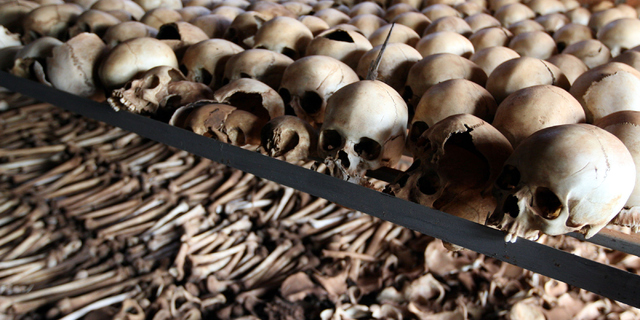 Mass Killing: Politics By Other MeansBrian Chao - Mass killing (often carried out in the form of genocide) offends the sensibilities of many people around the world. It is considered a "crime against humanity," such is its barbarity and ruthlessness. When it occurs, the question often asked by both victims and bystanders... Keep Reading »
 Ending Ethnic Conflict and Creating Positive Peace in Rwanda and Sierra LeoneKatherine J. Wolfenden - Although peace and pacifism are familiar ideas to most students today, for much of human history these concepts have been relegated to the religious domain and excluded from the study and practice of politics.[1] At the same time, war--organized violent conflict between... Keep Reading »
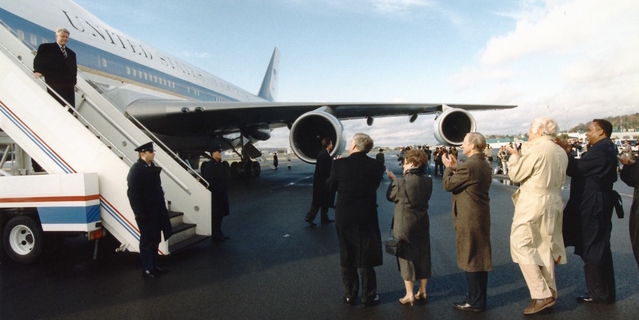 Photo: Seattle Municipal Archives CC-2
The Design of Absent Crisis: The Clinton Administration on the 1994 Rwandan GenocideLauren Young - The year 1993 was not a good one for Bill Clinton. An exception, perhaps, being the morning of January 20th when he stood at the west front of the United States Capitol building and took the Oath of Office to become the forty- second President of the United States,... Keep Reading »
     The keyword Rwanda is tagged in the following 11 articles.  Follow IJ


Expedited Article ReviewSubmit an article and get a decision fast. If you need a fast decision, INQUIRIES Journal offers expedited processing of your submission for a small fee. Depending on the expedited review option you choose, you can receive a decision in as few as 5-days. In addition to a shorter review period, the fee supports the journal's continued operation and open-access publishing model. Standard submissions are always free. Submit Now » - Submit an Article to Inquiries Journal -Inquiries Journal provides undergraduate and graduate students around the world a platform for the wide dissemination of academic work over a range of core disciplines. Representing the work of students from hundreds of institutions around the globe, Inquiries Journal's large database of academic articles is completely free. Learn more | Blog | Submit 


|