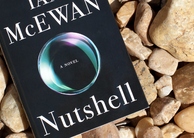
Hamlet (tagged articles) Chaos and Dissimulation in Ian McEwan's Modern Retelling of HamletMargherita Codurelli - This paper analyses Ian McEwan’s reuse of Shakespeare’s material in his retelling of Hamlet from the unusual point of view of an unborn child. By considering its plot, characters, setting and main issues, McEwan’s novel Nutshell will be investigated... Keep Reading »
 Polysemic Language, Democratization, and the Empowerment of the Body Politic in Shakespeare's HamletHayley E. Tartell - In William Shakespeare’s Hamlet, Prince Hamlet’s polysemic language raises the theme of empowerment of the body politic and, ultimately, the notion of democratization. Through an analysis of Hamlet’s speech, particularly in response to King Claudius... Keep Reading »
 "And I of Ladies Most Deject and Wretched:" Diagnosing Shakespeare's Ophelia with Post-Traumatic Stress DisorderEllen T. Goodson - If William Shakespeare’s Hamlet is “the most famous play in English literature,” his Ophelia is arguably the field’s most tragic female figure (Meyer 1588). Torn from her lover and bereft of her father, the young woman falls into grief-stricken... Keep Reading »
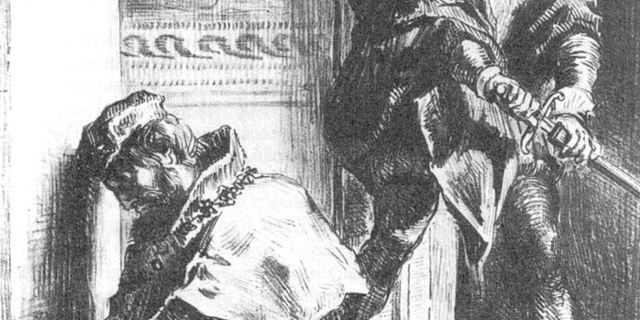 The Manipulative Nature of Claudius in Shakespeare's HamletN B - King Claudius, as seen in William Shakespeare’s Hamlet, is both intelligent and well-spoken, two traits that, put together, complement his manipulative and dangerous nature. In fact though, it is his conscience that makes Claudius such a complex villain. Despite... Keep Reading »
 How Now, Hecate? The Supernatural in Shakespeare's TragediesDeva Jasheway - William Shakespeare wrote these lines, but his use of the mythological tradition of otherworldly appearances in his plays is anything but insubstantial. Sometimes he crafted them as a permeating presence, other times passing rather quickly, but even so still an important... Keep Reading »
     The keyword Hamlet is tagged in the following 6 articles.  Follow IJ


Expedited Article ReviewSubmit an article and get a decision fast. If you need a fast decision, INQUIRIES Journal offers expedited processing of your submission for a small fee. Depending on the expedited review option you choose, you can receive a decision in as few as 5-days. In addition to a shorter review period, the fee supports the journal's continued operation and open-access publishing model. Standard submissions are always free. Submit Now » - Submit an Article to Inquiries Journal -Inquiries Journal provides undergraduate and graduate students around the world a platform for the wide dissemination of academic work over a range of core disciplines. Representing the work of students from hundreds of institutions around the globe, Inquiries Journal's large database of academic articles is completely free. Learn more | Blog | Submit 


|