Genocide (tagged articles) Genocide Memorialization in the Modern Era: Communal Mourning Through Institutions and CultureEmily Bennett - Genocide Memorialization focuses on the community after a genocide in what they choose to remember and how they achieve that goal of memorialization. Memorialization efforts are museums, institutions, policy, law, education, documentaries and first person accounts... Keep Reading »
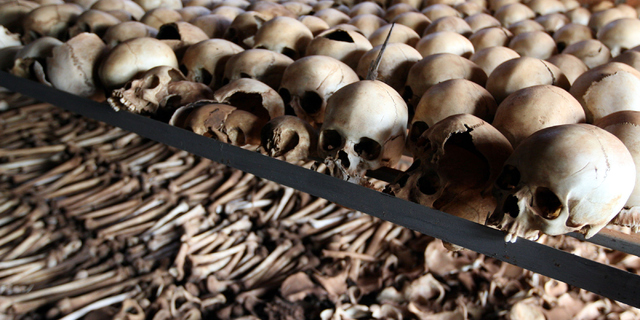 Mass Killing: Politics By Other MeansBrian Chao - Mass killing (often carried out in the form of genocide) offends the sensibilities of many people around the world. It is considered a "crime against humanity," such is its barbarity and ruthlessness. When it occurs, the question often asked by both victims and bystanders... Keep Reading »
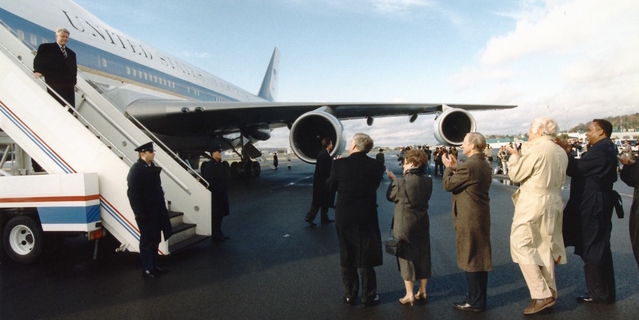 Photo: Seattle Municipal Archives CC-2
The Design of Absent Crisis: The Clinton Administration on the 1994 Rwandan GenocideLauren Young - The year 1993 was not a good one for Bill Clinton. An exception, perhaps, being the morning of January 20th when he stood at the west front of the United States Capitol building and took the Oath of Office to become the forty- second President of the United States,... Keep Reading »
 Photo: Paul Weber CC-2
The Ugly Truth: An Exploration of Postwar Representations of the Holocaust Through The ObsceneBrian Richards - Omer Bartov’s essay from Intellectuals on Auschwitz expresses the author’s dismay with the postwar and postmodern representations of, and discourses on, the Holocaust. He breaks down larger concepts on memory and history into five segments. In his fourth... Keep Reading »
 The Positive Impact of African Union Forces in DarfurBoris S. Nikitin - After the wave of liberalization of many African states in the late twentieth-century, the world has seen a rise in the amount of international and internal conflicts that have taken thousands of human lives. Ethnic tensions and economic hardships have often been the... Keep Reading »
     The keyword Genocide is tagged in the following 9 articles.  Follow IJ


Expedited Article ReviewSubmit an article and get a decision fast. If you need a fast decision, INQUIRIES Journal offers expedited processing of your submission for a small fee. Depending on the expedited review option you choose, you can receive a decision in as few as 5-days. In addition to a shorter review period, the fee supports the journal's continued operation and open-access publishing model. Standard submissions are always free. Submit Now » - Submit an Article to Inquiries Journal -Inquiries Journal provides undergraduate and graduate students around the world a platform for the wide dissemination of academic work over a range of core disciplines. Representing the work of students from hundreds of institutions around the globe, Inquiries Journal's large database of academic articles is completely free. Learn more | Blog | Submit 


|