African American (tagged articles)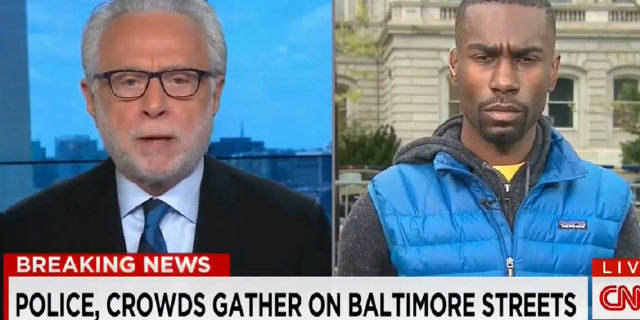 Sociolinguistic Bias in AP Style: How News Media Deny African American Vernacular English RealitiesAndrew B. Keefe - In Media Representations and the Global Imagination, Orgad (2012) addresses the division between content and interpretative analyses of media representations in critical theory research (36). This paper attempts a marriage of structural and cultural methods, both highlighting... Keep Reading »
 Visual Persuasion: The Media's Use of Images in Framing People GroupsCaitlin O'Donnell - This article compares the media's framing of five groups in response to a societal catalyst that propelled them into the public and media spotlight: Native Americans during the Indian Wars; women during the suffrage movement; African Americans during the Civil Rights... Keep Reading »
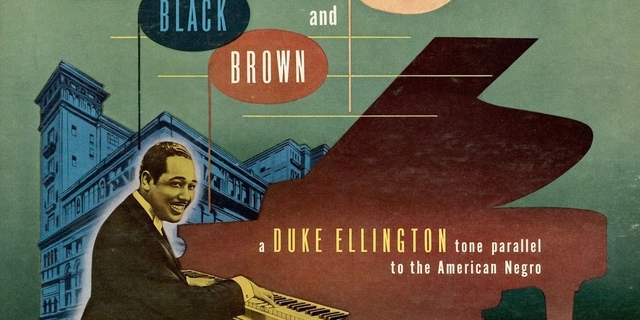 Duke Ellington's Jazz Narrative of the African-American: Black, Brown, and BeigeSawyer A. Theriault - To assume the task of narrating the history of an overtly oppressed race is a daunting responsibility. Nonetheless, Edward Kennedy Ellington undertook this task in composing the multi-movement jazz suite Black, Brown, and Beige. Originally debuted at Carnegie Hall... Keep Reading »
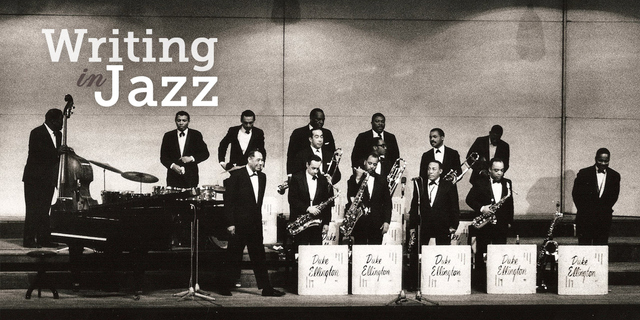 Jazz Writing: Identity and Multiculturalism in Jazz LiteratureSawyer A. Theriault - Jazz is not a solitary art. Its form does not only reveal itself in the music. Jazz finds manifestation in many other forms of expression, including the powerful narratives encompassing jazz literature. In all of its modes, jazz narrates a people’s emotional... Keep Reading »
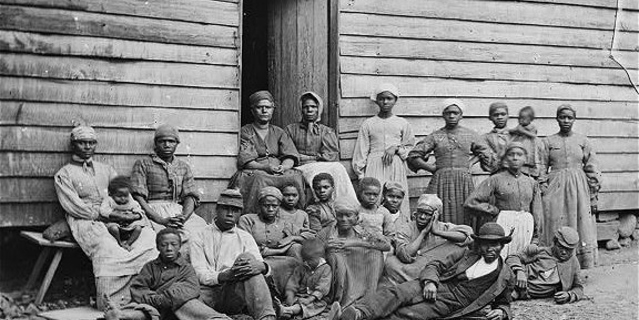 Slavery and Religion in the Antebellum SouthIulia O. Basu-Zharku - For many decades, scholars have debated the importance of religion in helping slaves cope with the horrible experience of slavery in the antebellum South. However, the way they treated the subject differs and the conclusions they reached are varied. From the early... Keep Reading »
     The keyword African American is tagged in the following 8 articles.  Follow IJ


Expedited Article ReviewSubmit an article and get a decision fast. If you need a fast decision, INQUIRIES Journal offers expedited processing of your submission for a small fee. Depending on the expedited review option you choose, you can receive a decision in as few as 5-days. In addition to a shorter review period, the fee supports the journal's continued operation and open-access publishing model. Standard submissions are always free. Submit Now » - Submit an Article to Inquiries Journal -Inquiries Journal provides undergraduate and graduate students around the world a platform for the wide dissemination of academic work over a range of core disciplines. Representing the work of students from hundreds of institutions around the globe, Inquiries Journal's large database of academic articles is completely free. Learn more | Blog | Submit 


|